Keeping our communities going through unusual times
How do we keep tech communities alive and thriving when we can no longer meet in person? Some thoughts on tools, formats, and practices.
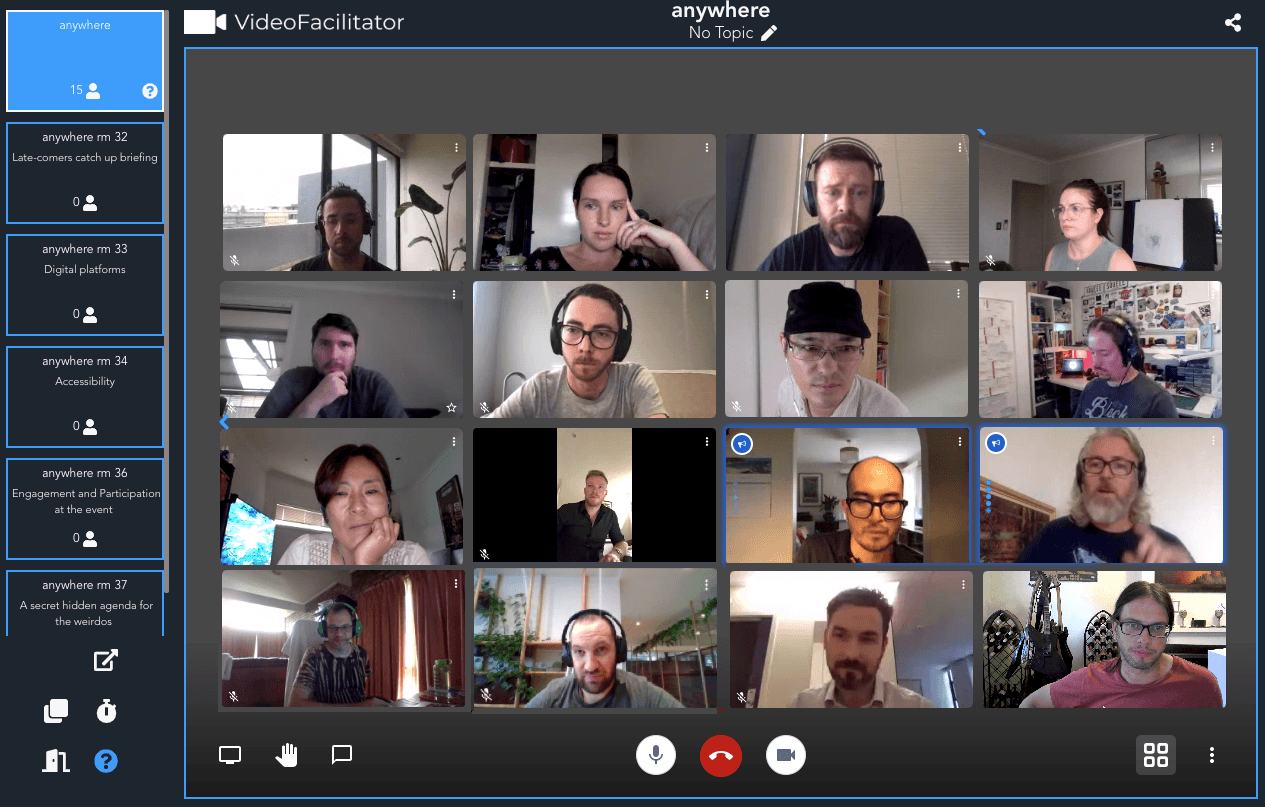
I met with 25 other meetup organisers in Melbourne to discuss the future of our communities and what tools and formats can help us retain the engagement, social and educational aspects of our events across an increasingly self-isolating city.
I love the tech scene in Melbourne. There is a great mix of established companies and agencies, and new innovative and disruptive startups. Competing businesses house their offices side by side, but staff still routinely share coffees, problems, and breakthroughs with one another. The technology meetup scene here is one of the most vibrant in the world. In previous months there has been a session I have wanted to attend, or often multiple sessions, every single night of the week. But as we are all encouraged to stay in our home-offices and exercise caution when meeting in even small groups — how do we keep our communities alive and thriving?
Choosing the right technology is important, and what is "right" depends on many things. Some attendees may not be particularly tech-savvy, so for them simplicity — or at least a low barrier for entry — is important. For others, something feature-rich is going to help with engagement. Zoom may be good for video, but maybe we can pair it with Slack which gives familiar and extensive text-chat features. Perhaps Twitch, a tool designed to facilitate interaction between gamers, has a UX that better promotes interaction and a sense of "hanging out". Where accessibility is important, YouTube Live with automatic captioning could be a better choice than the otherwise similar feature set over at Facebook Live.
One thing you lose when moving from a presentation in a physical room to a webinar online is that sense of engagement. So perhaps the format of our events needs to change. We should consider moving away from 45-minute presentations to 100 people, and look at shorter sessions to fewer people where it's easier to keep track of questions and comments, and to collaborate. At Everest we like to use Video Facilitator which allows attendees to self-organise into smaller breakout rooms for discussions and be called back into the main room to reconvene and share.
There are some common practices to consider as well to help smooth things along:
- Have an MC or facilitator to manage technical concerns or questions being written to the speaker.
- Turn your videos on so people can see your face when involved in discussions, but if bandwidth is low, switch video off when a presentation is underway.
- Consider the time of the event — maybe it's time to try lunchtime brownbags instead of waiting for people to leave their offices and find your venue.
- Make sure you prepare your attendees and yourselves — explain how to use the software you've chosen and test it with some friends before the event. Give guidance on etiquette around communication; use emojis to express your emotions, encourage clapping or raising hands, or discussion threads.
- Use tools designed for collaboration to enhance your meetup. Consider having all attendees join a Figma design page or a VS Code collaborative session.
We had fun sharing our ideas and experiences so far — and have agreed we want to meet again to discuss what we have learnt over the next few weeks. This is an evolving and partly unfamiliar space for many of us — so it's important to experiment, and share back to the community so we can all continue to build great events and stay social during these unusual times.